

Dystopia—an imagined state or society in which there is great suffering or injustice, typically one that is totalitarian or post-apocalyptic. In our modern world, dystopian literature is extremely popular, but these stories are so much more than twisted tales of a world so far removed from our own. The very essence of the dystopian genre is that it reflects an ugly, often ignored aspect of our current society and plays it up to an extreme degree where it is unable to be ignored. With that in mind, are we really becoming a dystopian society? The answer, unfortunately, is that we already are one.
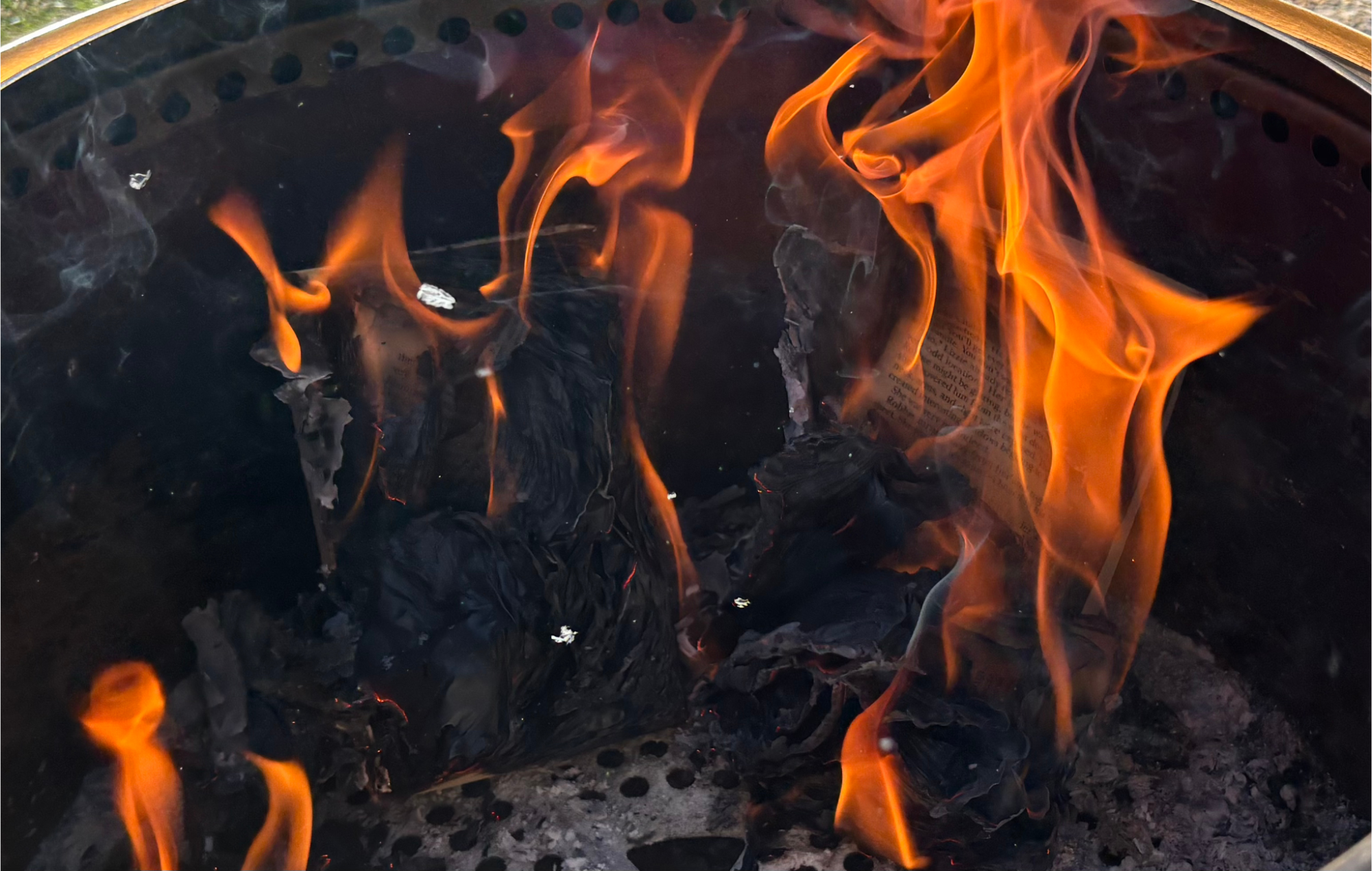
Book bannings have become increasingly common in the past several years. One of the many books people seem to have a problem with is “Fahrenheit 451,” which is ironic considering the book is about the dangers of censoring literature. In this novel by Ray Bradbury, reading is outlawed by the government and firemen are tasked with the burning of any and all books.
The common excuse for wanting to ban books—and it is an excuse, because the motivation is never truly about others’ wellbeing—is to preserve the innocence of children that may read these books. This action purposefully affects the perception and circulation of the book, far beyond the kids that they claim they want to protect. It is irresponsible and vile for people in positions of power to do anything that limits the common man’s education and access to new ideas. In their minds, it’s easier to keep people complacent if they’re too ignorant to notice the corruption of the powers that be.
“If you don’t want a house built, hide the nails and wood. If you don’t want a man unhappy politically, don’t give him two sides to a question to worry him; give him one. Better yet, give him none,” Bradbury wrote. It’s very clear what kind of ideas book bannings are trying to eliminate. There’s an undeniable pattern of discrimination and racism involved in book bannings, which is detrimental to our growth as people and our progress as a society.
A much more popular piece of dystopian literature is “The Hunger Games” by Suzanne Collins, the story of a world extremely divided by poverty. The novel is a commentary on the power of money and propaganda. The people of the Capitol are almost disgustingly wealthy compared to those of the Districts.
“Days of hunting and gathering for this one meal and even then it would be a poor substitution for the Capitol version,” Collins wrote, explaining the inescapable wealth gap between the districts and the Capitol. Like Collins’s world, there’s a significant wealth gap between the richest and poorest citizens in the United States, and it would be naive to say otherwise.
While “The Hunger Games” is about as extreme as a dystopia can get, that doesn’t mean that we’re unable to draw parallels to our real world.
All of us, from the middle class and up, ignore the problems of the world for a life of comfort. This includes our online lives, which often overtake reality. There’s nothing inherently wrong with enjoying what one has been blessed with, but when one avoids the harsh truths of the world in favor of mindlessly scrolling on TikTok and buying a new SHEIN haul every two weeks, it turns from appreciation to abuse. We have a moral responsibility to empathize with and care for our poorest citizens, and to ignore their strife is to be a Capitol citizen decked out in diamonds while letting children kill each other for entertainment.
America is supposed to be the land of the free, and instead we are the land of political unrest and government distrust. It just so happens that those two qualities are the very foundations of a dystopian society. The question isn’t are we living in a dystopia, it’s one much more grave: how far is too far gone?
