



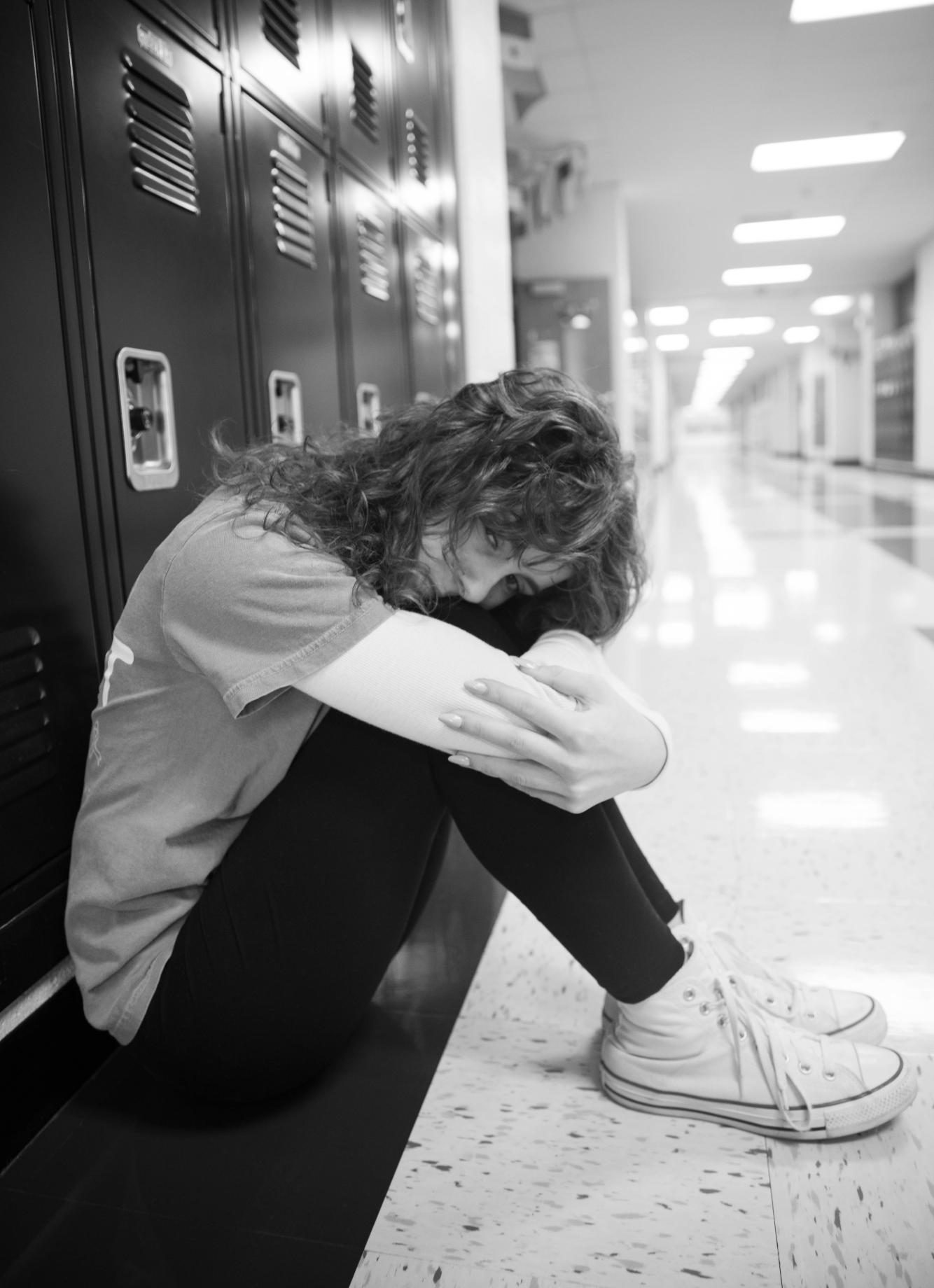
You walk down the street when you suddenly hear someone barking behind you. You walk a little quicker, trying to avoid confrontation with the person. You hear their footsteps get closer to you. You pretend you don’t hear them, and keep walking towards your destination. They keep following. Then you finally arrive and rush into the store, panic in your eyes, heart racing, you look for someone, anyone that you think can help. You stand next to a group and keep your eyes on the door, no one comes in behind you. You are safe, at least for now.
Not everyone ends up safe, you were lucky.
According to the National Sexual Violence Resource Center (NSVRC) 81% of women and 43% of men are not lucky, they report to being sexually harassed or assaulted at least once in their lives. However, these numbers do not tell the full story. The truth behind the numbers is that survivors will not report their experiences.
There are several valid and understandable reasons for survivors to not come forward. According to Brown & Barron, there are five core obstacles that survivors may have to overcome in order to share their stories; trauma, guilt, fear of punishment, fear of not being believed, and stigmas.
Talking about any form of trauma is difficult. However, sexual trauma is unique in how personal it is and the double standards surrounding it. When survivors seek help, they can sometimes become retraumatized with the response they receive. This is because of victim blaming.
Victim blaming is when a survivor tells their story to others and they respond saying, “It was probably what you were wearing. You shouldn’t wear a skirt that length if you don’t want attention. Boys will be boys, I’m sure you’re over exaggerating,” along with every other recycled response that places the blame on the survivor and not the perpetrator. This can cause survivors to feel guilty towards what happened to them.
“For a long time, I thought it was my fault,” Jane Doe said in reference to their personal sexual assault experiences. “I never really got to heal from it because nobody really knew.”
Blameshifting is not only done by friends or family that do not understand, but also from law enforcement and the criminal justice system.
Often, officers and judges will not accept a case due to the survivor not being the “ideal victim.” However, the “ideal victim” they look for, does not exist. It is quite simply a false pretense that pop culture has created.
On account of blameshifting, survivors will often be scared that others will not believe their story, discredit what they have been through, or will compare their experience with others experiences.
“A lot of people will think that it’s not that big of a deal, because a lot of women go through it,” Doe said. “I remember the first time I ever told anybody, I told my mom, and she said ‘that just happens to everybody.’ She was very supportive, but kept saying ‘that’s going to happen, and you have to get over it.”
While it is important to move past these experiences, the healing process takes time, and is different for everyone. It can take years for a survivor to feel secure enough to share their story with someone they trust, and even longer to reach out to someone for help. It is important to understand that everyone heals at different times, and in different ways. Survivors’ reactions and emotions towards their personal experiences are completely valid, and should be respected.
The easiest way to help survivors feel comfortable and seen is by learning how to support them. If a friend or family member chooses to share their story with you, you should do the following:
-Listen without interrupting
-Show that you believe them
-Remember that it is not their fault
-Acknowledge that it was difficult for
them to come forward
-Let them stay in control
-Respect their decisions– even if you
disagree
-Be patient
-Respect their boundaries
You should avoid asking why they did not say something sooner, why they did not fight back, judging them for anything related to what they have been through, and do not tell anyone else without the survivors explicit permission.
A predominant part of creating a world where survivors feel more comfortable is to change the way pop culture treats the topic.
Often times, media will portray sexual assault, harassment, abuse, violence, and other offenses has a joke. Belittling the importance of the topic and creating a hostile environment for survivors that will prevent them from sharing their stories.
Sexual harassment is common but it should not be. When you hear someone make a joke or inappropriate comment about someone else’s appearance, it is your duty to speak up.
You have the power to help.
You can make a difference.
You can help to remove the stigmas.
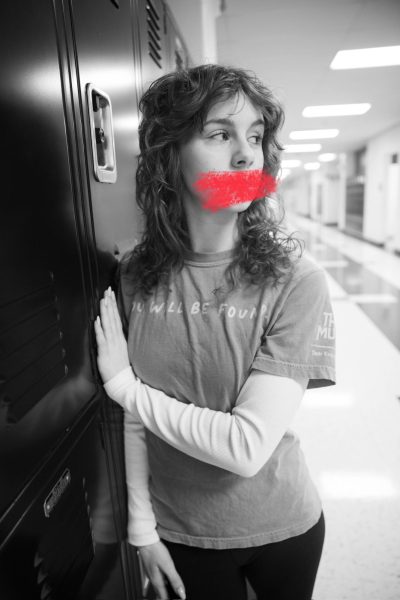
You can break the silence surrounding sexual harassment, assault, abuse, and other sexual crimes.
