



More Americans have begun looking at artificial intelligence companies following a report issued Jan. 20, by the United Nations’ Institute for Water, Environment and Health.
The UN stated the world was in a “Global Water Bankruptcy” through the release of a flagship report. The UN defines this as a structural imbalance between the demand for water and its availability. While many view water as a renewable resource, much of the world’s freshwater has been facing serious strain. Groundwater resources, rivers, lakes, and wetlands have witnessed depletion beyond sustainable limits. Water that is safe for consumption is becoming an increasingly scarce resource around the world.
More Americans have begun looking at artificial intelligence companies following this development. As the UN calls for nations to invest in water and develop “honest, science-based adaptation to a new reality,” within their report, citizens have pointed fingers at the fast progressing generative AI field. The federal budget reveals that the government spent $5.6 billion on AI investment between fiscal years 2022 and 2024. Citizens ask whether or not the United States policymakers can abide by the UN’s call for the implementation of “water as a global priority” if AI continues to be a national priority.
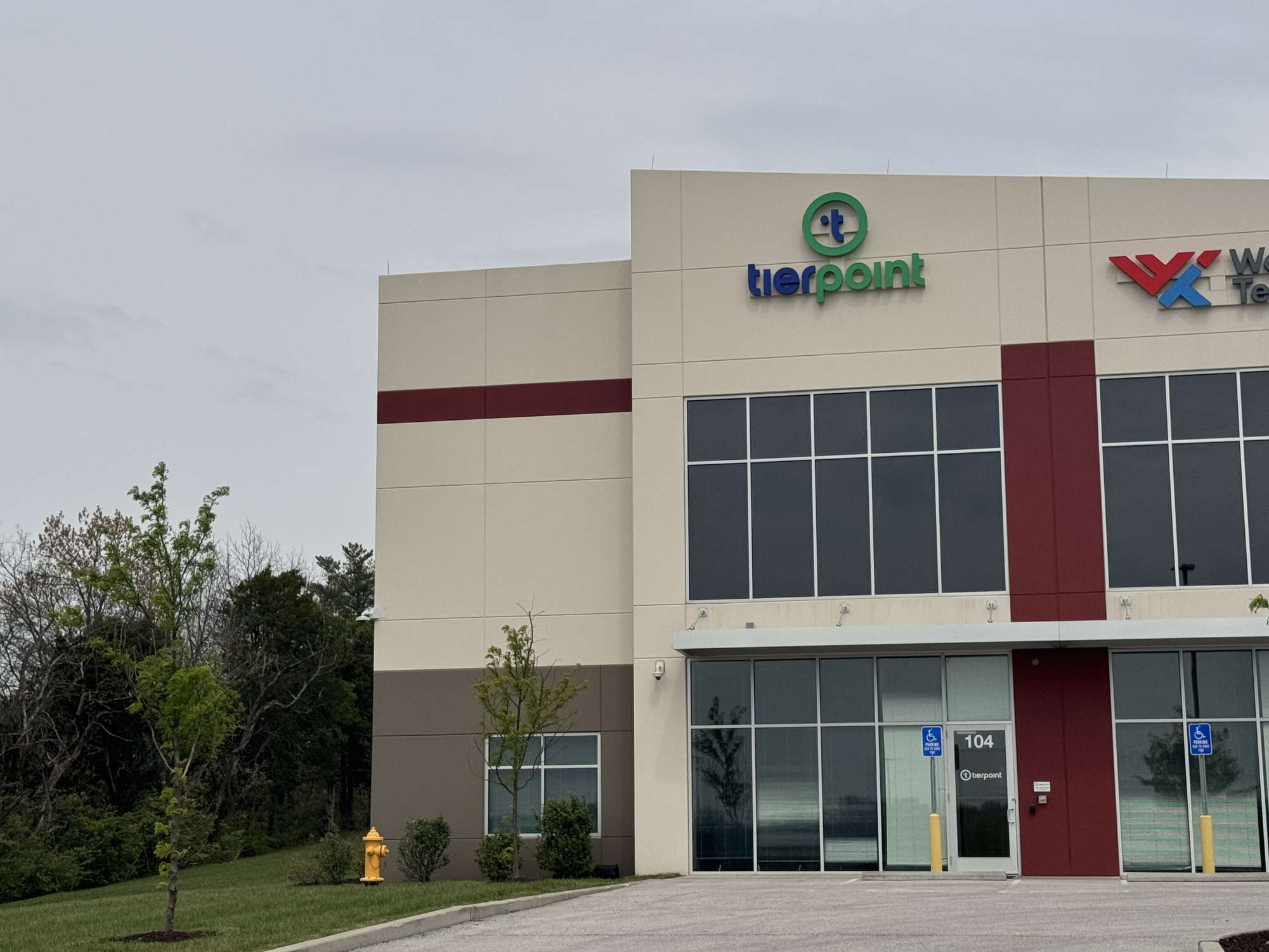
AI data centers utilize electrical energy to access and store data, with some of said energy coming off as heat. In order to prevent the equipment from overheating, the data centers utilize a process known as evaporative cooling. The water travels across the equipment, heating up, evaporating, and as a result, cooling the machinery.
A single, large data center consumes roughly 5 million gallons of water per day, with a total of 1.8 billion gallons annually, according to the Environmental and Energy Study Institute. As of 2025, the nation houses 5,426 data centers which are estimated to consume a total of 439 million gallons of water daily.
Data centers pull water, typically, from the power facilities from which they obtain their energy. Withdrawals of water from these plants are a significant source of water stress for drought prone areas and throughout the summer. Additionally, research in 2022 from Lawrence Berkeley National Laboratory showed that over 20% of U.S. data centers relied on watersheds that were already under moderate to severe stress from drought. As of 2026, this figure has likely increased.
Environmentalists and citizens alike have begun to voice their concerns regarding the implications of a global water bankruptcy on the projected increase in AI development. A question has been raised regarding the ability of these centers to adopt more sustainable practices to reflect the UN’s report. Only time will tell how the federal government and AI corporations will respond to the water crisis.
