


As winter approaches, communities around the world come together to celebrate a wide variety of holidays, each shaped by unique traditions, beliefs, and cultural histories. From the glowing candles of Hanukkah to the festive gatherings of Christmas, the vibrant celebrations of Kwanzaa, and the joyful New Year preparations in some cultures, this season is filled with meaningful customs that reflect the diversity of people everywhere. Though each holiday is different, they all share a spirit of togetherness, reflection and hope that brightens the colder months.
In the United States, 7 out of 10 people are Christian and have similar traditions. Christians usually tend to celebrate a tradition called Christmas, which is one of the most widely known holidays in the world. It’s a tradition that is celebrated to remember the birth of Christ. Most people spend Christmas by going to church for special services, singing Christmas carols, praying and hanging out with family. At home families decorate a tree with lights and special meaningful ornaments that usually signify Jesus’s birth. Many families also exchange gifts to celebrate the joy of giving, or other traditions that include having big meals with loved ones, hanging stockings above fireplaces or waiting for Santa Claus. Together these traditions make Christmas a joyful and meaningful celebration for many families.
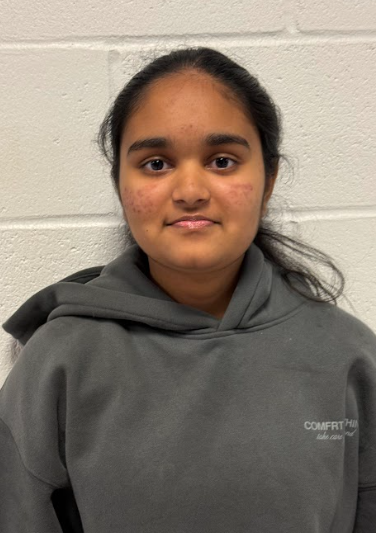
Not every religion celebrates Christmas though. We talked to Yathi Manda (9), who is Hindu. She celebrates a Hindu holiday called Diwali. Diwali is a festival of lights held in the period of October to November. It is particularly associated with Lakshmi, the goddess of prosperity, and marks the beginning of the fiscal year in India. Variants of the festival are also celebrated by Sikhs, Jains, and some Buddhists. According to Manda, “A lot of Diwali is based on scriptures and that’s what sets it apart from other holidays.” For Diwali, you spruce up and wear your best saree that are typically bright colors for this holiday. A saree is a garment consisting of a length of cotton or silk elaborately draped around the body, traditionally worn by women. Diwali is just one example of how different cultures celebrate the season in their own meaningful and beautiful ways.

Hanukkah is a holiday celebrated by the Jewish religion. Liya Crotser-Weiss (9) stated that “Hanukkah and Christmas are similar because they both bring people together to celebrate.” Hanukkah is an eight-day Jewish “Festival of Lights” celebrating the rededication of the Holy Temple in Jerusalem, commemorating a military victory and a miraculous oil supply that burned for eight days instead of one, marked by nightly menorah lighting and fried foods. To honor those eight days, they light a candle every night for eight days. Each night that Hanukkah goes on each person receives one gift. It is optional but some people prefer to dress nicer during this time. Women wear all white and men wear a kippah and suit. Hanukkah is a time for joy and reflection. It is a time to celebrate the miracle of the oil and the triumph of the Maccabees.