


Between 2021 and 2023, “16% of adolescents reported taking any prescription medication [that was prescribed to them] to help with their emotions, concentration, behavior or mental health,” the CDC said. Regarding issues with concentration or one’s mental health, prescription meds seem to be the most commonly-used solution. If used correctly, there is a possibility of some minor side effects, depending on the drug and dose. Even so, it seems that prescription meds help.
“Concerta [an ADHD medication] has helped me focus better, become more productive… Fluoxetine [an anti-depressant medication] has helped me become happier,” anonymous source 1 said.
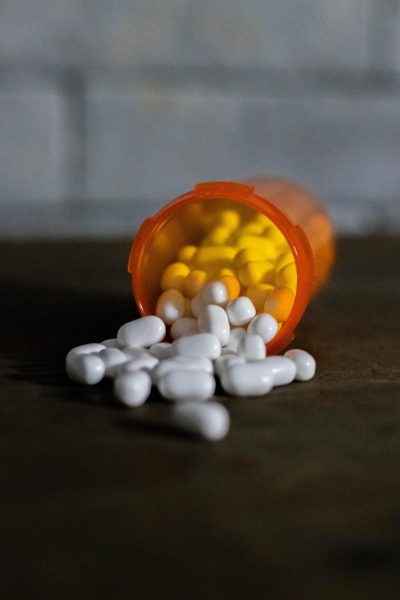
The important thing to remember is that these prescriptions are only good until misused. In recent years, prescription medications have been misused for a number of things. People commonly abuse an ADHD stimulant named Adderall. If prescribed and used correctly, Adderall can do a number of good things, from helping people focus to reducing tics. Even so, Adderall has frequently been used for less responsible reasons. Adderall is similar to meth, so people tend to abuse it in a similar fashion. Reports have shown that people are abusing Adderall to help them study, lose weight, or even be a better athlete. This abuse can lead to a number of problems, ranging from brain damage to psychosis.
Prescription medication can be used for both good and bad. As long as it is used correctly, prescription medication can be a solution. Before doing anything, it is important to talk to your doctor, who can help you make the right decisions about what medication could possibly help you.
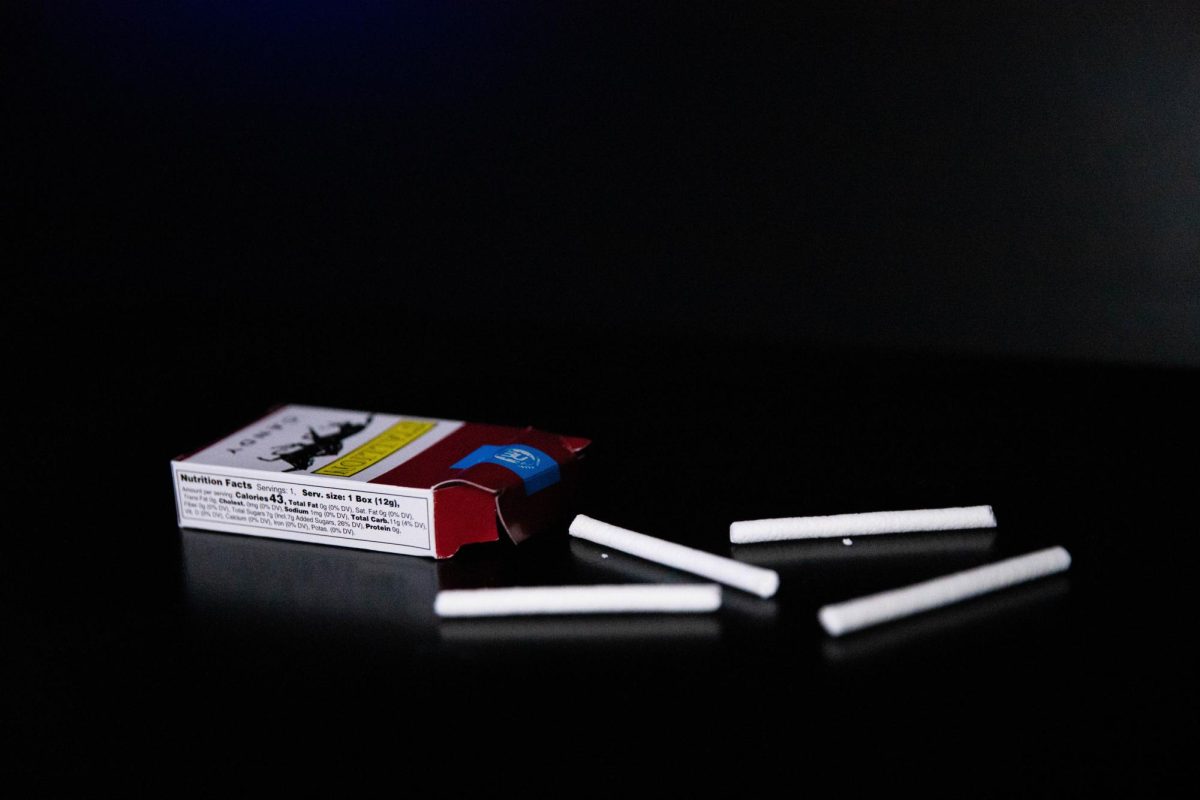
Vaping has countless negative impacts on one’s health. Its addictive effects stem from one substance: nicotine.
The CDC stated nicotine is “a highly addictive chemical that can harm adolescent brain development.” Nicotine usage creates a constant need for more of the addictive chemical, creating a never ending cycle of consuming and craving. The side effects of nicotine range from cancer to burning throats.
Another chemical in e-cigs is aerosol. “Aerosol from e-cigarettes can also contain harmful and potentially harmful substances. These include cancer-causing chemicals and tiny particles that can be inhaled deep into lungs,” the CDC said.
A common misconception that has been perpetuated by advertisements is that vaping is better than smoking. Most of the time, however, it’s actually worse. “Almost a decade ago, the average vape cartridge had the nicotine content of about a pack of cigarettes or 20 cigarettes,” Pamela Ling, director of UCSF (The Center For Tobacco Control And Research) said. Now, popular vapes can possibly have the nicotine content of about three cartons of cigarettes, adding up to 600 cigarettes. All in all, the body is harmed by all forms of nicotine—whether it is vaping, smoking, chews, or patches.
Marijuana, also known as weed or pot, is a common drug produced by the Cannabis plant. Laws regarding its use vary by state, with some considering medicinal use legal and others allowing recreational use. In Missouri, a person 21 years of age or older can legally have up to three ounces of marijuana for recreational use. Medical use is also allowed for qualifying conditions. Marijuana is commonly used to treat severe and chronic pain, muscle spasms, multiple sclerosis, epilepsy and seizures, sickness from chemotherapy, Alzheimer’s disease, and many other illnesses and symptoms. Research also suggests that it could be used to treat anxiety and post-traumatic stress disorder.

“[Marijuana] calms me down all the time, and it takes away stressors. I have pretty bad anxiety,” anonymous source 2 said.
While marijuana does have real medical use and can benefit many, it is not without its risks as a drug. When using it at a young age, it can permanently alter neurons and their connections in a way that cannot be reversed later in life. Usage also affects movement, resulting in poor coordination and timing. It is also linked to mental health issues—such as depression, anxiety, and psychotic episodes.
When considering the dangers of using drugs, there are two main concerns: overdose and addiction. An overdose occurs when a person consumes a substance in excessive quantities, leading to immediate harm and posing a serious risk to life. Addiction is the continued use of a substance, which damages one’s mind and body over time. Treatment for overdoses can vary depending on what was taken and how it was administered. An opioid overdose, for example, can be quickly treated with Naloxone—commonly known as Narcan—which quickly reverses the overdose if given in time. Other overdoses are often treated by attempting to remove the drug from the body, such as by pumping the stomach (if the drug was taken orally) or giving intravenous fluids (to help the body flush the drug out on its own).
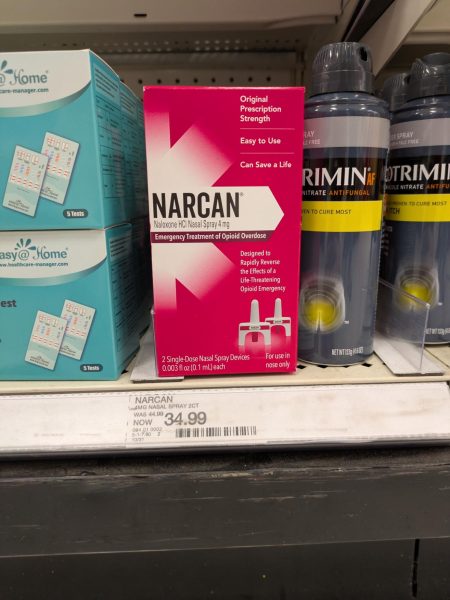
(Lexi Hufty)
Drug addiction, or substance use disorder, is considered a chronic disease that affects one’s mind and behavior. For addiction, treatment differs based on what the individual needs. Therapy is often helpful, with many groups existing to specifically deal with drug addiction and support one another. Some may be prescribed medication by their doctors, such as methadone or buprenorphine, to help reduce cravings and treat other symptoms.
If you or someone you know is struggling with drug use, you can get help. Call or text 988, a crisis hotline where professionals are available 24/7.