

When you enter your first hour class and look around, chances are half the desks contain some sort of drink. The likelihood that the drink contains caffeine is even higher. While every teen seems to bring their energy for the day in the form of a can or to go cup, should this be the norm?
The maximum daily dose of caffeine the average adult should consume, as determined by the FDA, is 400 mg. The limit for children 12-18 is even lower, only 100 mg. Exceeding these recommendations can be extremely harmful to one’s health. Too much caffeine can cause, “increased heart rate, heart palpitations, high blood pressure, anxiety, and lead to sleep problems, digestive problems, and dehydration,” reads an article from FDA.
Even with all the potential health risks associated with caffeine consumption, it has become normalized for teenagers to drink caffeinated beverages on a near daily basis. An article from the National Library of Medicine explains that a study of 100 US adolescents aged 12 to 18 found that 73% consumed 100 mg or more of caffeine per day. Energy drink brands, such as Alani Nu, Ghost Energy, and Celsius contain 200 mg of caffeine. Other common brands, such as Monster Energy and Red Bull, contain slightly less, but still surpass the daily recommended amount.
“I typically drink Monsters. The zero sugar ones have the caffeine to wake me up, but not all the sugar and it tastes good so it’s like a reward,” Riley Barton (10) said. “They’re good for motivation, like, I just say ‘I can do this ’ and take a sip.”
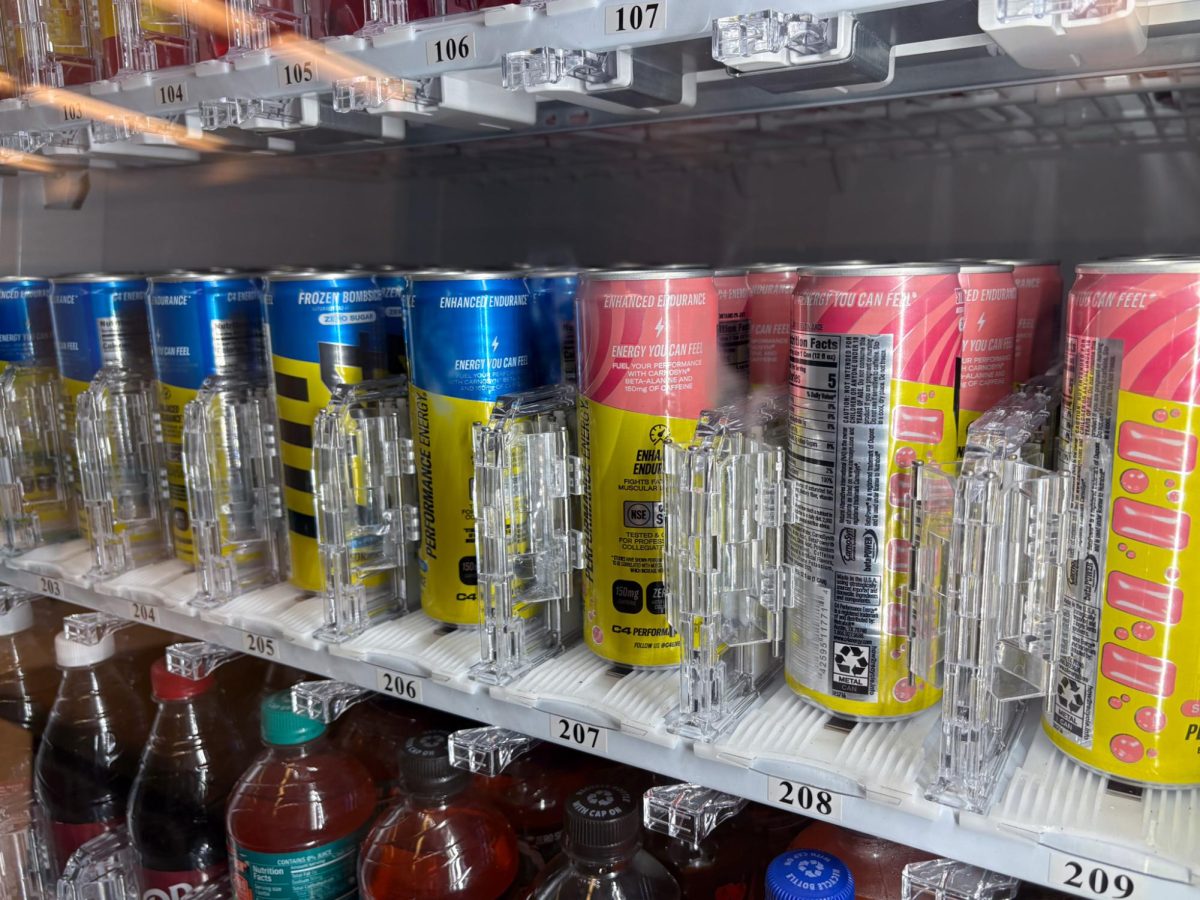
If these drinks all exceed the safe dose of caffeine allowed to young adults, how are they allowed to be stocked in school-funded vending machines? Companies selling these drinks have found loopholes by classifying their products as dietary supplements or food products. The regulations for these categories are different from that of other beverages a school may stock, allowing teens to access them more easily.
So it’s established that companies have provided easy access to these drinks, but the question is now what is causing students to consume them so frequently. It is a combination of enjoyment for the drink and need for an extra boost of energy.
“I don’t drink energy drinks very often, but when I do it’s usually for an early morning soccer game or early tests,” Stella Zielinski (10) said.
“During finals season I have them pretty often. If I have a test that day I’ll bring one and drink it or sometimes I’ll just treat myself to one on Fridays,” Barton said.
Regardless of the risks involved with energy drinks and the overconsumption of caffeine, many continue to purchase caffeinated beverages. While companies are required to put warnings on their cans, they are found in the fine print. Information is not commonly known about the benefits and consequences of caffeine. So while studies show that caffeine can easily become harmful, society continues to rely on energy drinks and teenagers are allowed to fuel themselves on excessive amounts of caffeine. So, the next time you are prepping for a test or planning for an early morning, consider the risks caffeine can have on your health and weigh them with the benefits of a temporary energy boost before reaching for an energy drink.
Cases of overconsumption and death in teenagers:
https://www.michiganmedicine.org/health-lab/parents-perk-dangers-caffeine-teens