

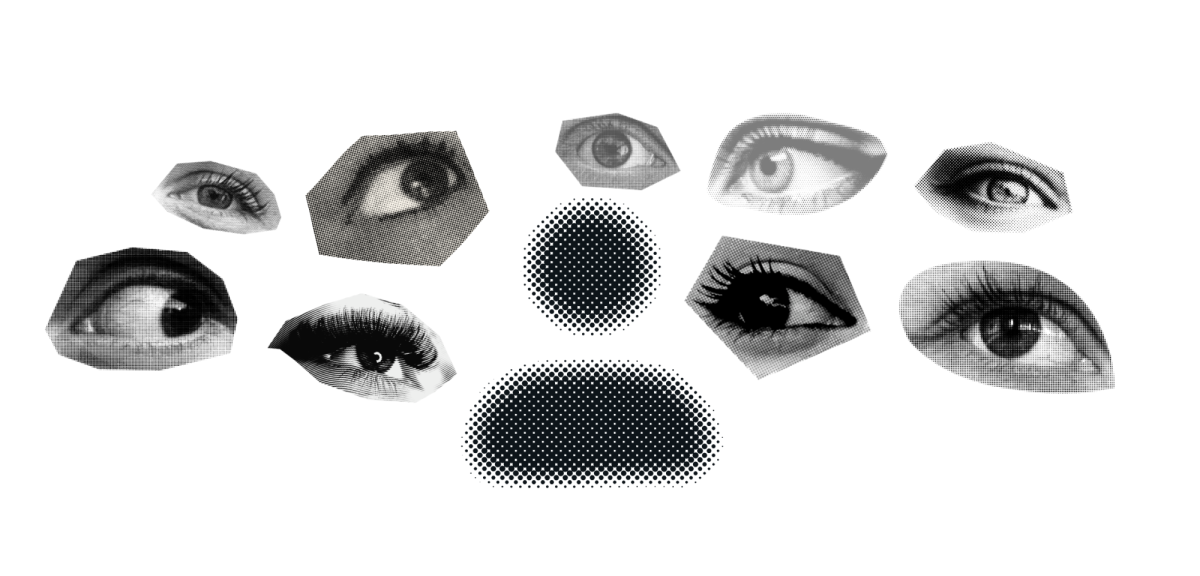
“Big Brother is watching you.” George Orwell’s 1984 follows a low-ranking member of society in totalitarian Oceania, where citizens are under constant surveillance through their screens. Sound familiar?
Surveillance is not an uncommon fear amongst the general public. There’s a reason it’s such a common trope in popular media, because it’s so close to reality that it elicits real fear. According to the Pew Research Center, many Americans think that the government and certain companies regularly track their online and offline activities. Unfortunately, they just might be right. With the recent Super Bowl ad from Ring, the number of concerned citizens has grown.
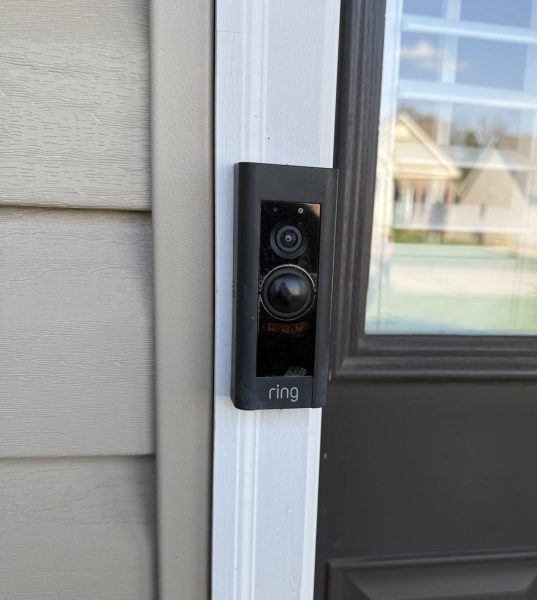
Ring, partnered with Flock Safety, premiered their new Search Party feature in a 2026 Super Bowl commercial. The Amazon-owned company claimed this feature would implement AI to find people’s lost dogs through a network of other Ring Cameras in the area. Flock itself is a surveillance systems company that often partners with law enforcement agencies, including the Immigration and Customs Enforcement agency, which has been under fire as of late. According to CNBC, “Flock…operates a network of automated license plate readers, and sells access to that software to customers that include law enforcement agencies.”
Viewers and consumers were justifiably outraged. The new feature appeared to be a blatant violation of privacy, creating an invisible always-watching eye. A “Big Brother,” one could say. Allegedly, Ring cameras have been used to assist ICE in their controversial raids. The ad sparked lots of discussion online and in day-to-day life about just how much the government is really watching their citizens. Even after Ring cancelled their partnership with Flock, the controversy continued to spread.
It’s not only doorbells, though. Technology is everywhere, even in places where it doesn’t need to be. The latest example of this is Meta’s new Meta Glasses—glasses that can record hands free and virtually undetectably. And it’s definitely not the first time technology has infiltrated places it’s never been before. With devices like Alexa or Google Home, fridges with tablets in their doors, and cars that are now equipped with Apple CarPlay and internet, it seems that we can’t escape our screens.
But what does this have to do with surveillance? It’s no secret that our phones and devices monitor and farm our data; every website these days asks for permission to share it. As a guest on “The Late Show with Stephen Colbert,” former Vice President Kamala Harris said, “I have been in classified briefings and I’m telling you, don’t be on the train using your earpods thinking someone can’t listen to your conversation. I’m telling you, the [wired earphones] are a bit more secure.” And even if your fridge isn’t watching you make a sandwich, it is tracking what’s on your grocery list. Alexa might not be listening to your every word and conversation, but it can pick up key words when you make an offhand comment about a vacation you want to go on. These devices are advertisement god-sends, and can make it feel as though we’re being watched.
Social media has also created new problems and concerns regarding surveillance, including the phenomenon of self-surveillance. When one can be recorded at any moment, they begin to watch what they do more closely; they monitor themselves and their own behavior. This issue is just as harmful as actual surveillance, because it elicits the same anxiety and “on-edge” feeling that actual surveillance does.
Ultimately, the rise in technology has corresponded with a rise in paranoia and restlessness around surveillance. No one likes the thought of being watched, but more and more, it’s becoming something that we’re expected to simply be okay with; it’s becoming a fact of life. And while there’s almost nothing one can do to fully prevent online surveillance, one can—and should—be closely monitoring how they spend their time online.