

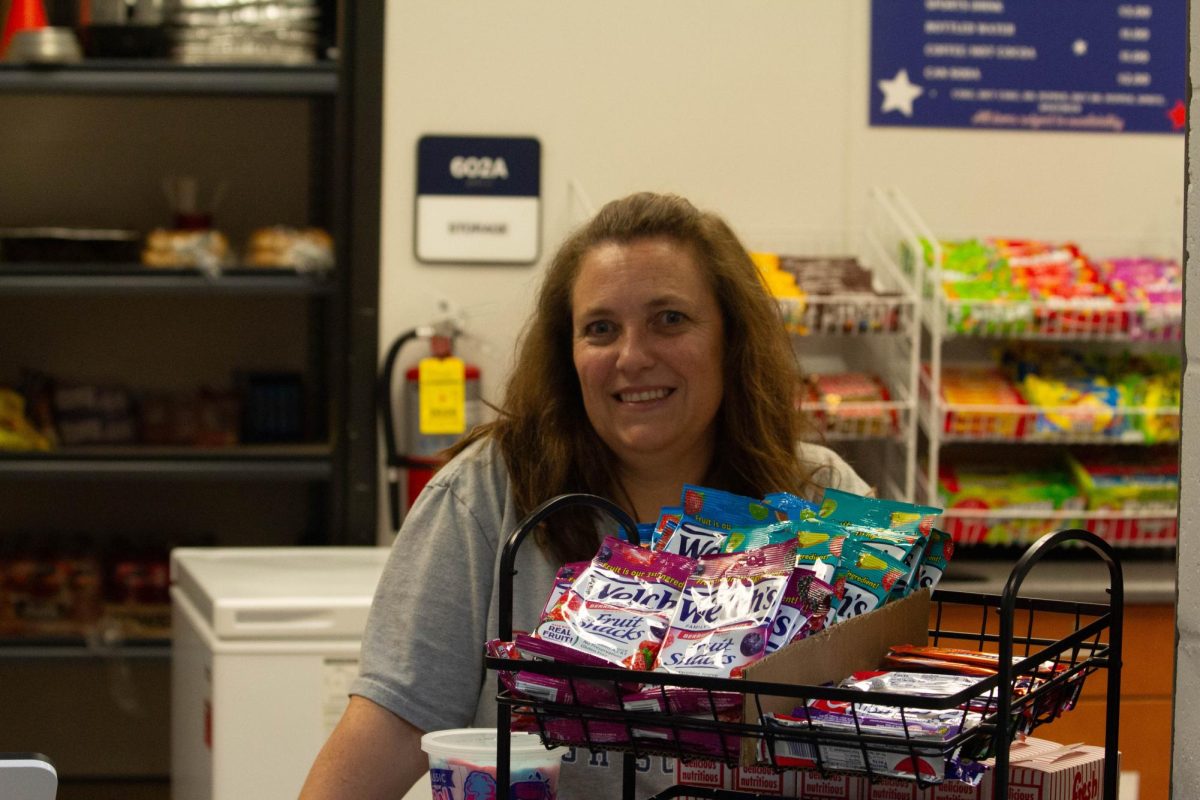
On any given night that school hosts a sports event, the hum of the concession stand is almost as important to the game-day atmosphere as the action on the field. The smell of popcorn, the clinking of soda cans, and the rush of hungry fans all rely on a team of students and other community volunteers. Yet, when too few people step forward to work, the entire operation, and by extension, the school community feels the strain.
“I love doing concessions, but I also feel really stressed when there aren’t enough volunteers,” Sadie Dunlap (12) said. “It can be really hard to navigate.”
At recent events, the lack of participation has left only a small handful of students running the stand for hours at a time. Without clear instructions or much support from adults, volunteers have found themselves overwhelmed by long lines and constant demand during halftime. The result is more than just tired workers. It can mean slower service, frustrated customers, and a dampened game-day experience for everyone in attendance.
The stakes are higher than many realize. Concessions aren’t just about snacks, they are one of the school’s most consistent fundraising tools. The money raised goes directly back into athletics, clubs and activities that benefit the student body and the clubs/events they are involved in. When concessions aren’t adequately staffed, sales drop, and activities lose out on resources that help pay for uniforms, equipment, and event costs.
Teachers and administrators often emphasize that concessions are an easy way for students to give back to their school. Not only does it help raise funds, but it also creates a sense of shared responsibility. When only a few students take on that responsibility, the load becomes unbalanced, and opportunities for teamwork and community-building are lost.
Beyond the financial impact, the absence of volunteers has a social effect as well. Concessions, at their best, bring the students together, giving them a chance to meet new people and work side by side in a lively, fast-paced environment. When participation dwindles, those connections never happen, and what could have been a fun and spirited part of school life turns into an isolating task for the few that do show up.
Looking ahead, many schools are asking the same question: how can more students be encouraged to help out? Clearer communication, recognition for those who help, and a friendlier, more organized work environment could make concessions less of a chore and more of an opportunity. After all, the concession stand isn’t just about food, it’s about spirit, support, and keeping the heart of school events alive. As Dunlap says, “Volunteering is very important for school spirit.”
If you, or your student group, can volunteer please consider. The concession stand is our biggest fundraiser for our athletics and activities. The signup link is below. Personal email must be used on the signup link.