

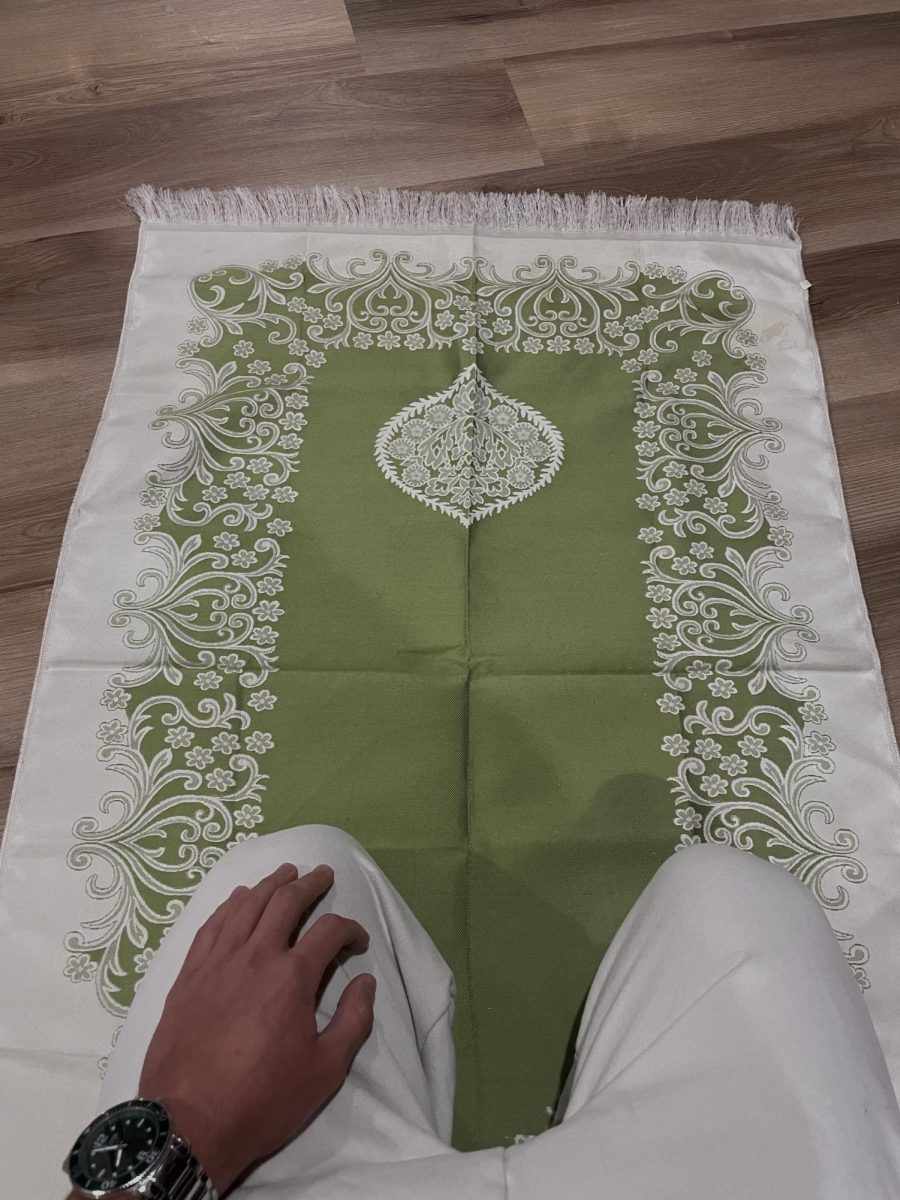
The holy month Ramadan is the 9th month of the Islamic Lunar Calendar. A month where Muslims fast. Fasting during Ramadan is part of the Five Pillars of Islam and is determined by the sight of the crescent room and lasts 29 to 30 days. From dawn until sunset, Muslims abstain from food and drink. However, fasting is not only about physical restraint. It is also about improving one’s character and avoiding negative behaviors such as arguing, gossiping, or swearing. Muslims believe that during this sacred month, the Quran, the holy book of Islam, was first revealed to the Prophet Muhammad (peace be upon him).
Because of this, Ramadan is seen as a time to strengthen faith and reconnect with religious values. Going without food and drink for many hours reminds Muslims to be grateful for the blessings they have in their daily lives. Students, workers, and families continue their daily routines while fasting, which requires dedication and determination. This year Ramadan lasted from Feb. 17-March 19.
“In my opinion, fasting defines if you’re Muslim or not because fasting is one of the Five Pillars of Islam. But there might be reasons why someone can’t fast which is valid,” Avdeen Jabarai (11) said.
Some people aim to read the entire Quran during the month, while others focus on understanding its messages more deeply. Suhoor, known as the pre-dawn meal in English, is a significant element for Muslims during Ramadan. It is the last meal before the sun rises and the day of fasting begins.
“It helps you get through the day and gives you the energy you need. It really helps keep you full longer and more energized throughout your fasting,” Jabarai said.
When the sun sets, Muslims break their fast with a meal known as iftar. This moment is often filled with excitement and gratitude after a long day of fasting. Families and friends frequently gather together for iftar meals, making it one of the most social and happy moments of the day. Sharing food and spending time with loved ones creates a strong sense of community.
Another important part of Ramadan is charity called Zakat in Arabic. Muslims are encouraged to help those who are less fortunate by donating money, providing food, or supporting charitable organizations. Although Ramadan is observed by Muslims everywhere, traditions and cultural practices can vary from country to country.
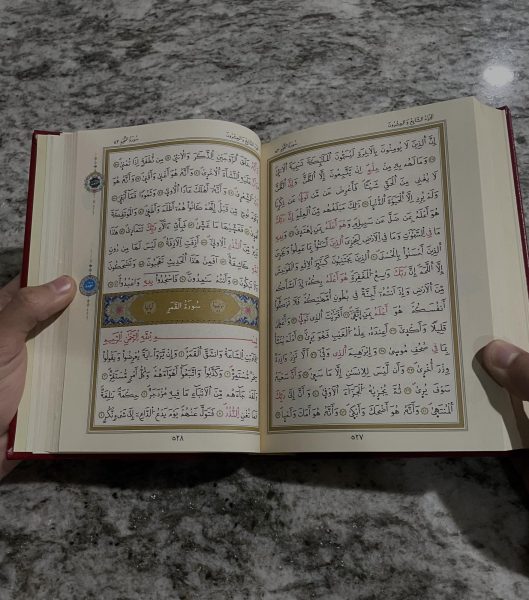
Ramadan is not only about staying away from food and drink during the day, but also about trying to be a better person in everyday life. During this month, Muslims take time to think about what they do and how they treat others. They try to be more patient, speak kindly, and avoid doing bad things like arguing or gossiping. Fasting can be hard, but it helps people understand how others feel when they do not have enough to eat, and it teaches them to be thankful for what they have. Ramadan is also a time when families and friends come together, especially at iftar, to share meals and enjoy each other’s company.
These moments bring happiness and make people feel closer to one another. Helping people in need is also very important, and many Muslims give food, money, or support to others during this time. Overall, Ramadan helps Muslims grow stronger in their faith and become more caring, grateful, and disciplined, and these good habits can continue even after the month is over.