

My family moves around a lot for work, so when I first entered Missouri in 2022 by car, it shocked me that the first thing I noticed was the all-consuming acrid and pungent odor coming from the data centers and power plants on the other side of the riverbank from the bridge flooding my senses. It was an instinct to immediately pinch my nose closed and stare out at the plumes of smoke coming from grandiose grey giants that were cooling towers.
In Missouri alone, there are currently more than 90 data center locations according to Datacentermap.com and there are many more major large-scale projects being planned and approved near the area.
For reference, New York houses over 140, California has around 320, Texas holds about 410, and Virginia, at number one, is home to over 660 data centers. On the topic of nation-wide locations, there is a magazine article by Matteo Wong that is written about a data center in Memphis, Tennessee that shares similar experiences. It’s strongly recommended to anyone reading this to view it.
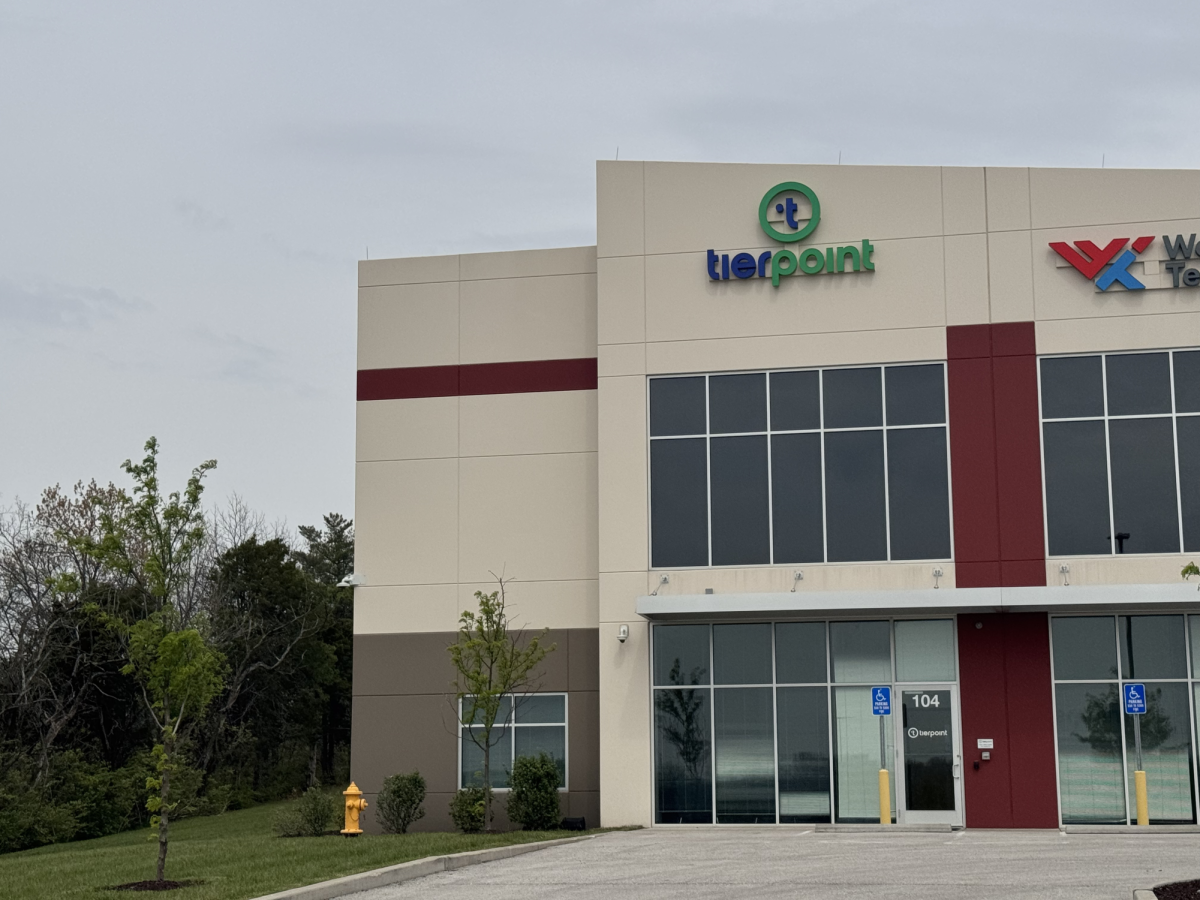
As of now, there are approved plans to build three more major centers in St. Louis and Kansas with an estimated total cost of $15 billion. They include a $1.4 billion AI data center in Liberty, Mo. by Metrobloks, Google’s $1 billion Project Spade in New Florence, Mo., and a massive $6 billion CRG project in Festus, Mo. These are billions of dollars that could instead be used to help create positive change within the community, environment, and even the world.
“I feel like it’s affected everyone personally. Some people think we need it, some people don’t, but the majority of people don’t know how to use it,” Eve Hannibal (10) said.
Families and homes have already been affected by the proposed plans in the state and even the country. Electric and water bills will have new regulations, such as when the household hits a certain threshold of water usage, the cost rates exponentially increase.
“I know people are really worried about their water consumption and how it consumes a lot of electricity, which is a driven demand for fossil-fuel based power and the decline of clean energy projects,” James Skibinski (10) said.
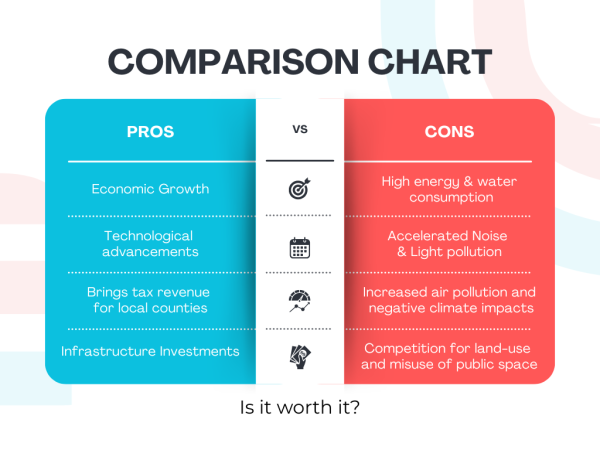
Even the Google AI overview that one may see on searches run on AI Data Centers and have perverse effects on the environment. Google’s own reports indicate that AI is a major contributor to the company’s increased greenhouse gas emissions, with a 48% rise since 2019.
Furthermore, the UN warns that AI data centers place a severe, growing strain on water resources, with global AI demand projected to consume 4.2–6.6 billion cubic meters of water by 2027. While AI can optimize water management, the infrastructure for, and training of, these systems requires vast amounts of water for cooling.
“AI is a tool and it can be a good tool if you use it responsibly, but when it comes to water usage, we can’t use water,” RJ Ganninger (11) said.
AI isn’t only for the convenience of the common folk. CEO of OpenAI Sam Altman said in an interview at a Y Combinator event in 2015 that “AI will most likely lead to the end of the world, but in the meantime, there’ll be great companies.” He mentioned increasing shareholder value with a focus on building a structure based solely on profit.
“I think AI is not worth it at all. I think there is something beautiful about humans struggling through it, you know? We got to get rid of them and we should try to pull back our demand for AI,” Skibinski said.
So, when did we get so compliant with the destruction of communities, our minds, and the earth? When these centers start affecting the very air and water that you need to breathe and consume to live, it gets to a point. How much more of this are people willing to take? This is the only question that matters right now.
“I think anyone who would argue against that is kind of crazy because Earth is the only planet we have. There’s no going back because if it’s gone, it’s gone,” Abigail Hutson (10) said.