


Everyone’s seen “Man of Steel,” the “Dark Knight” trilogy, and the rise of the Avengers that led to the epic cinematic showdown of “Endgame.” But what could possibly follow that? The fourth Avengers movie was the culmination of years of build-up and anticipation. Everyone, including the studios producing these movies, just seemed to want the next “Endgame.”
During the pandemic, however, the world was changed, and a new “Endgame” wouldn’t have had the same impact. Only recently have studios realized that they have to start from the ground up. They have to make something the general public can relate to now, not what was relevant ten years ago.
Enter “Thunderbolts*.”
“Thunderbolts*” marked the first stark difference between the old and the new. The threat wasn’t aliens or monsters–it came from within, revealing the doubt and loneliness that plenty of people feel today.
Every major character in “Thunderbolts*” greatly struggled with their mental health and individual traumas, contrasting the times when past heroes were confident, proud, and near-perfect.
As many young adults today also struggle with similar problems, “Thunderbolts*” creates a home for them. Few people today can relate to Captain America’s unwavering morale, but many can understand Yelena’s yearning for familial connection.
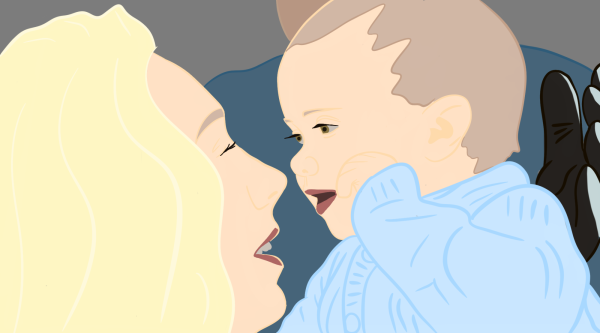
Speaking of family, it’d be difficult not to include the superpowered family that made their Marvel debut this summer: “The Fantastic Four: First Steps.” With Sunday family dinners, friendly banter, and Reed Richard and Sue Storm expecting their first child, “First Steps” already broke the trope of lonely orphaned heroes.
In our highly online world, few interactions nowadays are so genuine, intimate, or familial. The “fantastic” family’s bond is all of these things. And it never wavers—even when Galactus offers to spare Earth in exchange for Reed and Sue’s child, Franklin. In this situation, Reed knows the deal makes logical sense and will save lives, but he can’t fathom sacrificing his son. This conflict reflects the kind of closeness a lot people yearn for, especially during such a turbulent and uncertain time.
At every corner, it seems that there’s a new tragedy to mourn. It’s almost numbing. Yet, “Superman” (2025) defies this bleak outlook on life. With this movie, viewers get to see what being the ‘Symbol of Hope’ truly means during a time when hope is desperately needed. The new Superman conveys that every life—from a park squirrel, to a crazy dog, to a bald billionaire—has value.

On the other hand, the “Man of Steel” many grew up with does not contain this message. That Superman was much more “super” than “man.” The new Superman makes it a point to show that he is also human. His pain, his joy, and his love for others reflect the qualities that make us all human.
Superman (2025) inspires viewers to help one another without expecting anything in return and to trust the humanity in each other. It gives them hope that the world is not solely dark, mean, and cruel.
“Superman is all about how being kind is the best thing you can do,” Alexander Emberton (12) said.
Overall, the modern movie heroes of today exist in a very different tone than their predecessors.
“The newer superhero movies left me with a sense of fun but also left me thinking more about the real-world implications and meanings,” Echo Brooke (12) said. She continued to say, “I think one of the biggest changes in modern superhero films is a much bigger focus on positive messaging.”
However, these three movies are only the beginning. A new era of superheroes has only begun.
“I can’t wait to see what the future holds. Next year we’re getting ‘Supergirl,’ ‘Spider-Man: Brand New Day,’ ‘Clayface,’ and ‘Avengers: Doomsday,’ all of which look promising in their own ways,” Emberton said.