

Police officers and federal agents are meant to represent hope, safety, and stability. They’re supposed to be the people we turn to when situations get overwhelming — the ones who bring order when everything else feels uncertain.
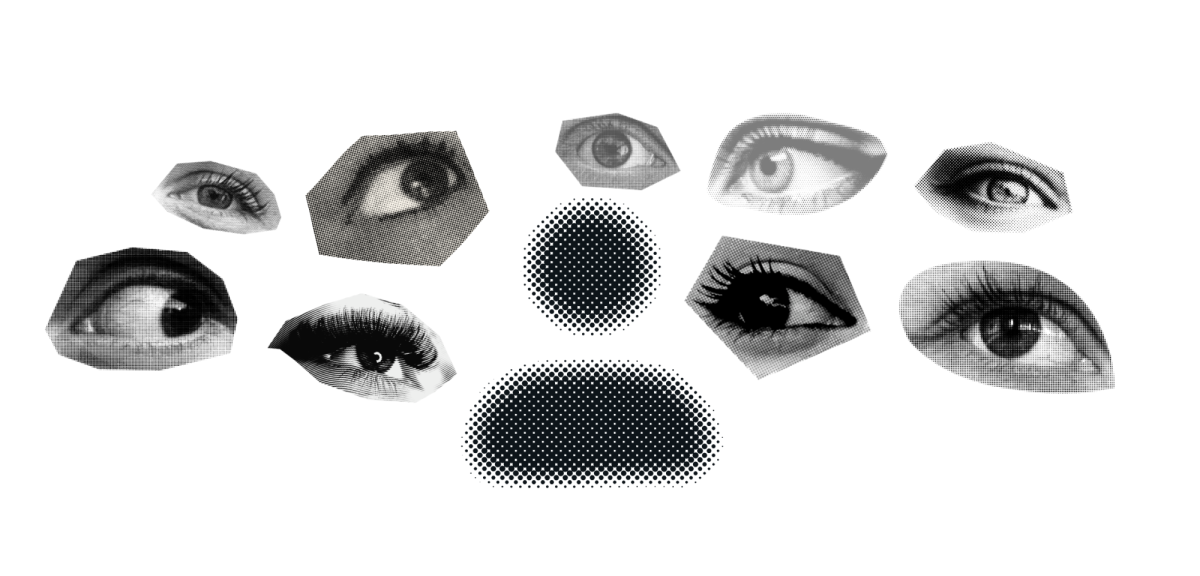
That symbol begins to fracture the moment officers are allowed to hide their identities behind masks or face coverings. If the very people sworn to protect us can’t be identified, how can the public trust the power they hold?
When officers operate anonymously, accountability weakens. A hidden identity removes one of the strongest checks on misconduct, the knowledge that actions have consequences and can be traced back to a real, recognizable person.
Without that accountability, the chances of more rogue, aggressive, or reckless behavior grow. Officers may feel shielded from responsibility, and that can escalate situations that should remain controlled and professional.
Supporters of masked federal officers often argue that anonymity is necessary for survival in today’s political climate. As The Atlantic reports, ICE leadership claims that agents face an unprecedented level of harassment and doxxing. Tom Homan, Trump’s former border czar, even stated, “Their families have been doxxed. ICE officers’ pictures show up on trees and telephone poles. Death threats are sky-high.” (The Atlantic)
While these threats are serious, they don’t justify eliminating identification altogether. Even riot-control officers — who deal with some of the most dangerous and chaotic situations in law enforcement — are still required to display badge numbers or unit identifiers. Officer safety matters, but transparency matters just as much. Allowing federal officers to hide their identities doesn’t just protect them from danger; it protects them from accountability. And when accountability disappears, the risk of rogue behavior, excessive force, and public distrust only grows. The solution isn’t full anonymity — it’s smarter safeguards that protect officers and the communities they serve.
And the fallout doesn’t stop with misuse of power. Once the public loses the ability to see who is enforcing the law, the entire relationship between officers and communities begins to crumble. Fear replaces reassurance. Suspicion replaces cooperation. Even routine interactions become tense because the bond of trust — the foundation of effective policing — has been weakened by secrecy.
Officers should be a source of stability, not uncertainty. Allowing them to conceal their identities doesn’t just put citizens at risk; it puts the officers themselves in more volatile situations. When transparency disappears, chaos grows — for everyone involved.
At the end of the day, the badge is supposed to stand for integrity and safety. But if the faces behind those badges are hidden, the meaning behind the symbol fades, and the trust that communities depend on fades with it.