


Stress toys have been an anchor in modern day pop culture, whether people realize it or not. In the 2000s, older kids and teens were using mesh stress balls and “Water Wigglers.” In the 2010s, stress toys like fidget spinners, and “Squishys.” Now in the 2020s, more brands are being recognized like “Nee Dohs.” Almost every student owns one or has at least played with one before.
This proposes a lot of questions about a very simple product, like what has made teens want to buy these fidgets for primarily the past three decades?
“They’re really fun to play with and when you’re at school, they definitely relieve your stress and they’re really cool and fun,” Maelyn Sachak (9) said.
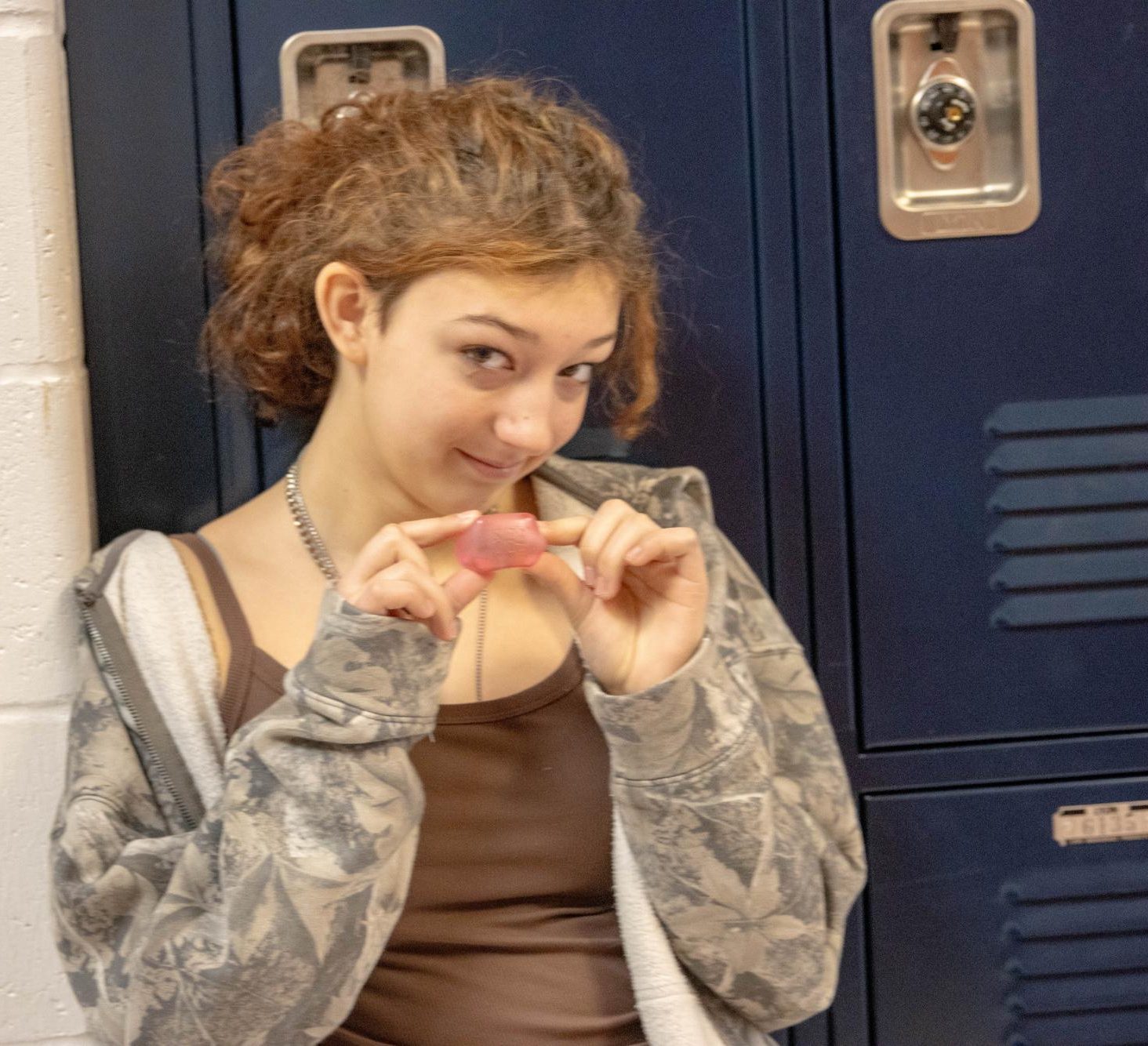
Obviously one of the biggest attributes to these toys is their calming qualities that can bring a little more peace to students especially on stressful days at school. Students can clear their minds by having something tangible to hold, and during school or even in social situations that can be overstimulating.
(Emma Huff)
Another quality that stress toys have is their appearance. They come in many different variants: sparkles, colorful, square, circle, and the list goes on and on. Every style is interesting to students and adults alike. Most are filled with a slime-like substance called PVA (polyvinyl alcohol) glue that is often noted as a stretchy, non-toxic, hypoallergenic gel or goopy paste, similar to some glues and cosmetics. Of course, the material is covered by thermoplastic rubber or silicone for durability and stretch.
There are some downsides to these toys: they are not indestructible and can break, and when they do it’s a mess everywhere that can make, ironically, stressful situations.
“They can get dirty really quickly, and when they get cold or you don’t play with them for a long time they freeze up and kind of harden,” Alix Jones (9) said.
Just these reasons alone can ward off some consumers, as the product’s entire purchase is to destress the buyer.
Remember the “Pop It” craze of 2020? Those were also considered stress toys, which likely gained popularity with the pandemic and the stress surrounding it from everyone across the world, however, the main demographic for the toys were kids. This is because without school boredom was curated in the absence of learning. Even little kids felt the boredom of not being able to go outside, hence the increased popularity of fidgets.
While these fidgets can be ultimately beneficial, the promotion of them is still questionable in the context of outperforming popularity. These toys are primarily meant to destress the person that bought them, so why have they become a trend?
“I just think that they’re fun and that’s why they got so popular,” Adalynn Lauman (9) said.
The fact that they are destressing could be a reason why they became so popular and widespread.
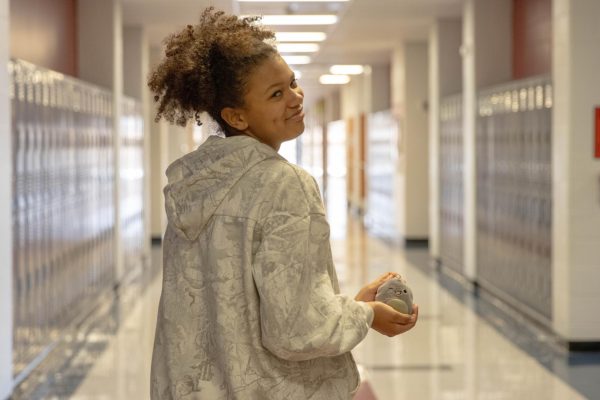
As a whole, stress toys are a positive for students and adults under a lot of pressure. They can keep the person focused and on task. The reason for their popularity relies on their essential purpose, which makes people more enticed to the product.